

Quick answer
The nelson bay whale watching season runs from mid-May through late November, tracking the humpback whale migration along Australia's east coast. Peak sighting months are June through August during the northbound journey to tropical breeding grounds, and September through October when whales return south with newborn calves. Cruise operators at d'Albora Marina run daily departures throughout the season, with morning and afternoon windows offering different behavioral patterns.
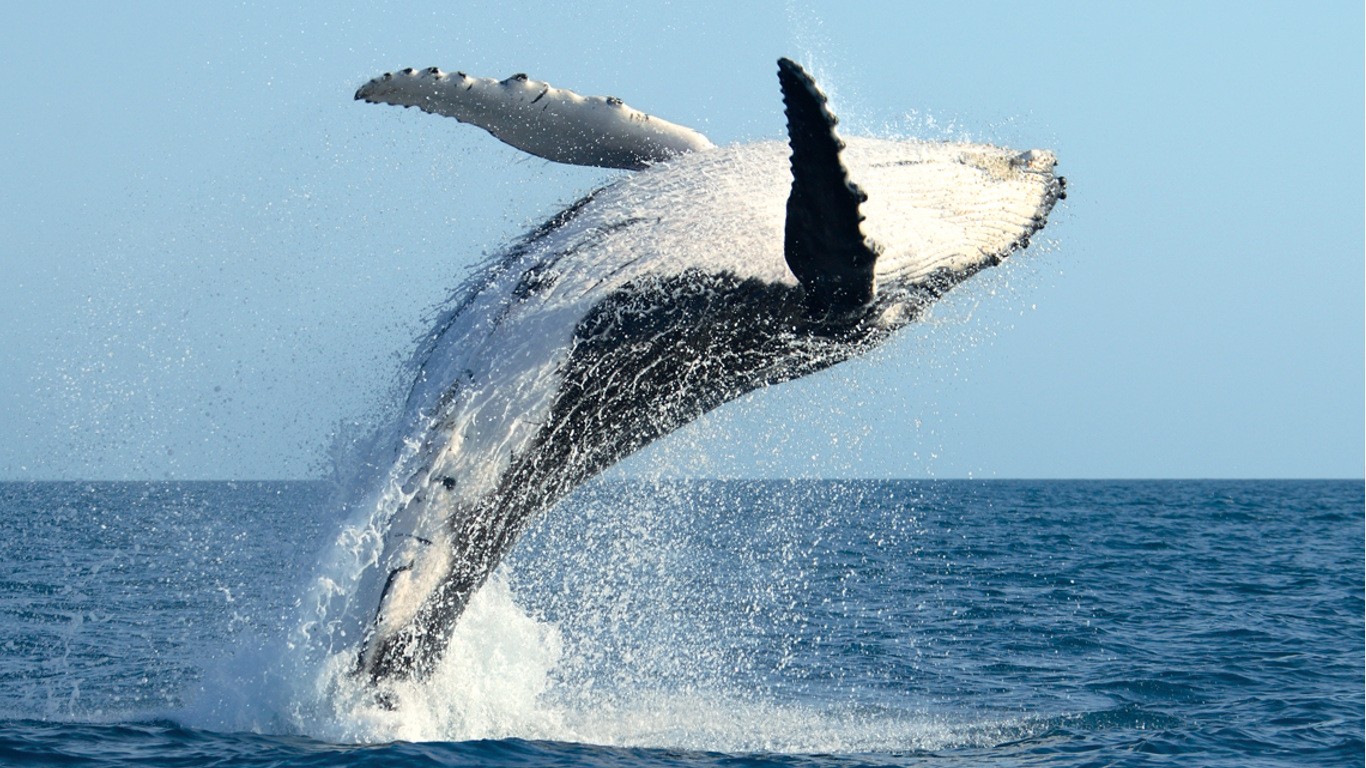
More than 35,000 humpback whales pass through Port Stephens waters each year, making it the largest migration of any mammal species on Earth. The scale becomes visible from late autumn through spring as pods traverse the continental shelf just kilometers offshore. The nelson bay whale watching season follows two distinct phases shaped by biological imperatives. Northbound whales between May and August move purposefully toward the Great Barrier Reef and Coral Sea breeding grounds, traveling at steady speeds with minimal surface time. Southbound whales from September onward display markedly different behavior—mothers with calves linger in sheltered bays, juveniles practice breaching repeatedly, and competitive pods of males engage in surface-active displays. This return migration stretches across three months as whales feed and rest before the final push to Antarctic waters. Water temperature and plankton blooms govern precise timing each year. Early-season sightings in May typically feature mature females and sub-adults leading the migration north. Males and younger whales follow through June and July. The September peak brings nursing mothers into Port Stephens' protected channels, where calves build strength before the 5,000-kilometer journey south. Late-season stragglers in November often include whales that bred later in the tropical cycle. Cruise timing within the daily window matters as much as calendar dates. Morning departures at 10:00 encounter whales actively traveling after dawn feeding. Afternoon sailings at 13:00 and 15:30 often find whales resting mid-journey or engaging in social behavior as light conditions change. Operators at d'Albora Marina adjust routes throughout the whale watching season in Port Stephens based on recent sighting logs and radio reports from other vessels, concentrating search effort where migration corridors intersect with optimal viewing depths of 30 to 60 meters. The continental shelf's underwater topography funnels whales past Tomaree Headland and Cabbage Tree Island, creating predictable encounter zones that define Nelson Bay's reputation as a reliable migration viewpoint.
“More than 35,000 humpback whales pass through Port Stephens waters each year, making it the largest migration of any mammal species on Earth.”
Understanding the Nelson Bay Whale Watching Season
The Nelson Bay whale watching season typically runs from mid-May through November, as humpback whales migrate along the New South Wales coast. The peak window for sightings occurs during the months of June and July for the northern migration and September and October for the southern return.
May to July
Moderate crowdsCool, 12°C–18°C
This period captures the northern migration of humpback whales moving toward warmer breeding waters. Sightings are frequent as pods travel past Port Stephens.
August
Low to moderate crowdsCool to mild, 13°C–19°C
Whale activity remains consistent as the migration transition occurs. Calm sea conditions often provide better visibility for spotting surface behavior.
September to November
High crowds during school holidaysMild, 15°C–22°C
The southern migration features mothers and calves traveling back to Antarctic waters. Warm spring temperatures and calmer conditions make this a favored time for viewing.
Weekday mornings
Low crowds—
Booking cruises during weekday mornings helps avoid weekend congestion and offers generally flatter sea conditions for improved whale spotting.
Verdict: For the highest density of whale activity with fewer crowds, plan your visit for a weekday morning between September and October.
Daily Operational Hours for Nelson Bay Whale Watching Season
The booking office and departure terminal for whale watching in Nelson Bay operate on a consistent daily schedule throughout the season.
| Monday | 09:00–17:00 | |
|---|---|---|
| Tuesday | 09:00–17:00 | |
| Wednesday | 09:00–17:00 | |
| Thursday | 09:00–17:00 | |
| Friday | 09:00–17:00 | |
| Saturday | 09:00–17:00 | |
| Sunday | 09:00–17:00 |
Entrance and Tour Costs for Nelson Bay Whale Watching Season
Costs for whale watching in Nelson Bay depend on whether you choose land-based observation or a maritime cruise. Land-based viewing is accessible at no cost, while boat tours are subject to varying rates set by individual operators.
Adults typically pay market rates determined by their selected cruise operator, as prices fluctuate based on the specific tour company and vessel amenities.
Arrival at Nelson Bay Whale Watching Season Departure Points
Whale watching departures are located at d'Albora Marina, Teramby Rd, Nelson Bay. Access is straightforward via road or public transport for visitors arriving in the Port Stephens region.
M1 Pacific Motorway and A27 toward Nelson Bay
Bus route 130 to Nelson Bay Interchange
Direct transfer to d'Albora Marina
Insider Advice for Your Nelson Bay Whale Watching Season Visit
Preparation and observation techniques help you maximize your time on the water during the Nelson Bay whale watching season.
Seasickness prevention
Take motion sickness medication at least 30 minutes before boarding, as once symptoms begin, they are difficult to reverse. Focus on the horizon rather than your camera viewfinder to maintain equilibrium.
Layered clothing
Ocean temperatures remain cool even on sunny days, so wear wind-resistant layers that can be adjusted. A light waterproof jacket provides necessary protection against sea spray during transit.
Binocular usage
Use binoculars with a lower magnification, such as 7x or 8x, to reduce image shake caused by boat movement. Practice finding the horizon first, then track toward any visible splashes or disturbances in the water.
Spotting technique
Watch for whale blows, which appear as white puffs of mist, rather than focusing solely on the animal body. If you see birds diving or swirling in one area, it often indicates activity beneath the surface.
Camera settings
Use a fast shutter speed of at least 1/1000th of a second to capture clear images of whale breaches from a moving vessel. Avoid changing lenses frequently to prevent salt spray and moisture from entering your camera sensor.
Check availability
Frequently asked questions about nelson bay whale watching season
Everything you need to know about nelson bay whale watching season