

Quick answer
The whale watching season in Nelson Bay runs from mid-May through mid-November, with peak sightings between June and October when humpback whales migrate north to breed and return south with calves. Morning departures between 09:30 and 14:00 offer the most stable sea conditions and highest likelihood of whale activity. September and October bring northbound mothers with newborn calves, often the most active and curious pods of the season.
More than 35,000 humpback whales pass through Port Stephens waters each year, making it one of the most reliable cetacean corridors on Australia's east coast. The migration unfolds in two distinct phases separated by breeding season in the Coral Sea, and understanding this rhythm changes how you plan a trip. The northbound migration begins in mid-May as adult whales leave Antarctic waters, reaching Nelson Bay in early June. These whales travel with purpose, covering up to 160 kilometers per day, and sightings tend to be brief but predictable along the continental shelf. By late June through August, juvenile whales and pregnant females follow the same route at a slower pace, often lingering near Port Stephens to rest and socialize. This mid-season window delivers the longest surface time and the most varied pod compositions. The southbound return starts in September and extends into November, when mothers escort newborn calves back to Antarctic feeding grounds. Calves breach frequently as they build strength, and protective mothers often approach vessels out of curiosity rather than caution. October records the highest concentration of whale activity per cruise, with operators reporting multiple pods within a single three-hour departure. Water temperature and plankton blooms influence exact timing year to year, but the September-October corridor remains the most consistent for close encounters. Morning light reduces glare on the water surface, making spouts and dorsal fins visible at greater distances. Afternoon sea breezes pick up after 14:00, roughening conditions and reducing visibility for both passengers and whales. Cruises departing d'Albora Marina between 09:00 and 11:00 report calmer seas and longer whale interactions compared to late-afternoon trips. Weather patterns shift quickly in Port Stephens, and early departures buffer against wind changes that can shorten tours or limit offshore range. The best time to see whales in Nelson Bay aligns with both biological migration and practical maritime conditions, not a single calendar date.
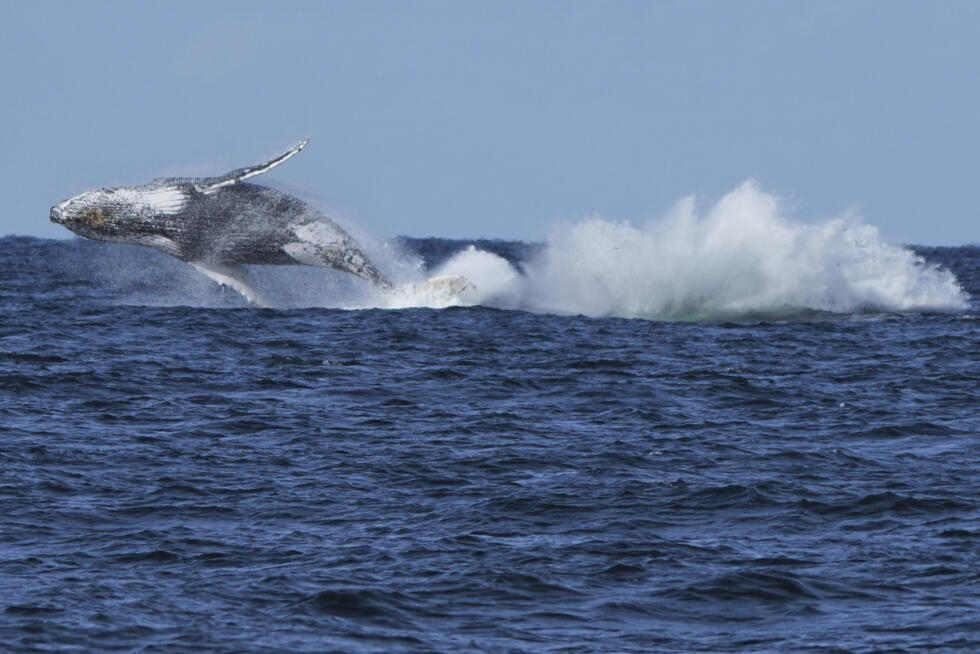
“October records the highest concentration of whale activity per cruise, with operators reporting multiple pods within a single three-hour departure.”
Optimal Whale Watching Nelson Bay Best Time: Seasonal and Daily Windows
The peak season for whale watching in Port Stephens runs from mid-May to November as humpback whales migrate along the coast. To maximize sighting opportunities, visitors should aim for the established arrival window of 09:30–14:00.
May to July
Moderate crowdsCool, 12°C to 18°C
This period marks the start of the northern migration. Sightings become frequent as whales travel toward warmer waters.
August to October
High crowdsMild, 14°C to 22°C
This is the peak of the southern migration. Mothers and calves are commonly observed during this time.
Weekday mornings
Lower crowds—
Morning and early afternoon departures offer the most stable conditions for whale sightings. Mid-week trips often provide a quieter experience.
Verdict: For the best chance of stable conditions and active pods, plan your visit for a weekday morning between August and October.
Operating Hours for Whale Watching Nelson Bay Best Time Planning
The booking and information office at d'Albora Marina operates daily to assist with your whale watching inquiries and departure planning.
| Monday | 09:00–17:00 | |
|---|---|---|
| Tuesday | 09:00–17:00 | |
| Wednesday | 09:00–17:00 | |
| Thursday | 09:00–17:00 | |
| Friday | 09:00–17:00 | |
| Saturday | 09:00–17:00 | |
| Sunday | 09:00–17:00 |
Entrance Fees and Costs for Whale Watching Nelson Bay Best Time
Costs for whale watching in Nelson Bay depend entirely on your chosen method of observation. While observing from the coastline incurs no cost, boat-based excursions operate with individual tour fees.
Individuals pay 0 AUD for land-based viewing, while cruises charge per-person tour fees that vary by provider.
Getting to the Marina for Whale Watching Nelson Bay Best Time
Whale watching departures are located at d'Albora Marina, Teramby Road, Nelson Bay, NSW 2315, Australia. The marina is centrally located and accessible by road from the greater Port Stephens region.
M1 Pacific Motorway and A27
Busways route 130 to Nelson Bay Interchange
Walk from Nelson Bay town centre via Teramby Road
Pre-Visit Checklist for Your Whale Watching Nelson Bay Best Time Trip
Pack these essentials to make the most of your whale watching cruise in Port Stephens.
-
Book your cruise in advance — Popular departures fill quickly during peak migration months.
-
Bring your booking confirmation — Operators require proof of reservation at check-in.
-
Wear layered clothing and a windproof jacket — Conditions on the water are cooler and windier than on land.
-
Pack sunscreen, sunglasses, and a hat — Reflection off the water intensifies UV exposure.
-
Bring a camera with zoom capability — Whales surface at varying distances from the vessel.
-
Carry motion sickness medication if needed — Swells can affect sensitive passengers even on calm days.
-
Wear non-slip, closed-toe shoes — Decks become wet and slippery during the cruise.
Check availability
Frequently asked questions about whale watching Nelson Bay best time
Everything you need to know about whale watching nelson bay best time